

frame 85 August 2026
The Ocean Patient
By Andrew Price

Reflections from a ‘marine locum’ who has spent fifty years treating the sea like a doctor treats a patient: observing, diagnosing and driving recovery.

Andrew Price is a marine biologist and environmental scientist. He is an emeritus professor at University of Warwick, a Fellow of the Linnean Society and holder of the British Consultant of the Year Award. Over the past fifty years, he has worked as an international consultant, alongside teaching and research at British universities. This has provided practical insights about ocean injuries, diagnosis and healthcare as well as experiences of near-pristine environments. Andrew’s earlier book, Slow-Tech: Manifesto For An Overwound World (Atlantic Books, 2009) shows how resilience/robustness helps ensure smooth-running in nature and the human environment. This article is an excerpt from a larger work, which he plans to publish as a trade book.
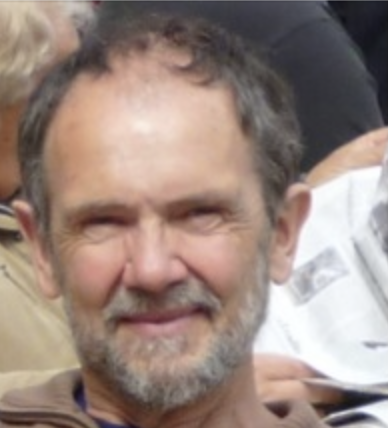
Photo provided by Andrew Price

Our seas are a food factory, a lifeline and a dustbin. As many case notes reveal, we should treat the ocean not as a dumping ground, a cemetery, or an untiring production line, but as a vulnerable patient in need of care.
Oceans have always sustained us with food and other critical provisions, and through the transport of goods and ideas. Coral reefs generate fisheries and free defence for coasts, people and infrastructures against storms, sea level rise and wave damage. But our seas now face multiple tipping-points: from climate breakdown, overfishing and habitat loss to oxygen-starvation, the spread of plastics and other pollution. Since the 1970s invasions from unwanted aquatic ‘hitch-hiker’ species have caused over US$300 billion in damages.
Environmental injuries can be extreme, as an earlier conflict in the Persian/Arabian Gulf reminds us. The burning of 610 oil wells led to the combustion of over one billion barrels of crude oil, and release of millions of tons of soot, over nine months. The roar was near-deafening, creating a Dante’s Inferno. It was 1991, barely a month after Iraqi hostilities had ceased. Still on full display was collateral damage from the Gulf War. Events reflected not only ‘super-arson’, but attacks on shipping and facilities: sabotage on a scale never seen before – with the input of at least 11 billion barrels of oil into the Gulf.
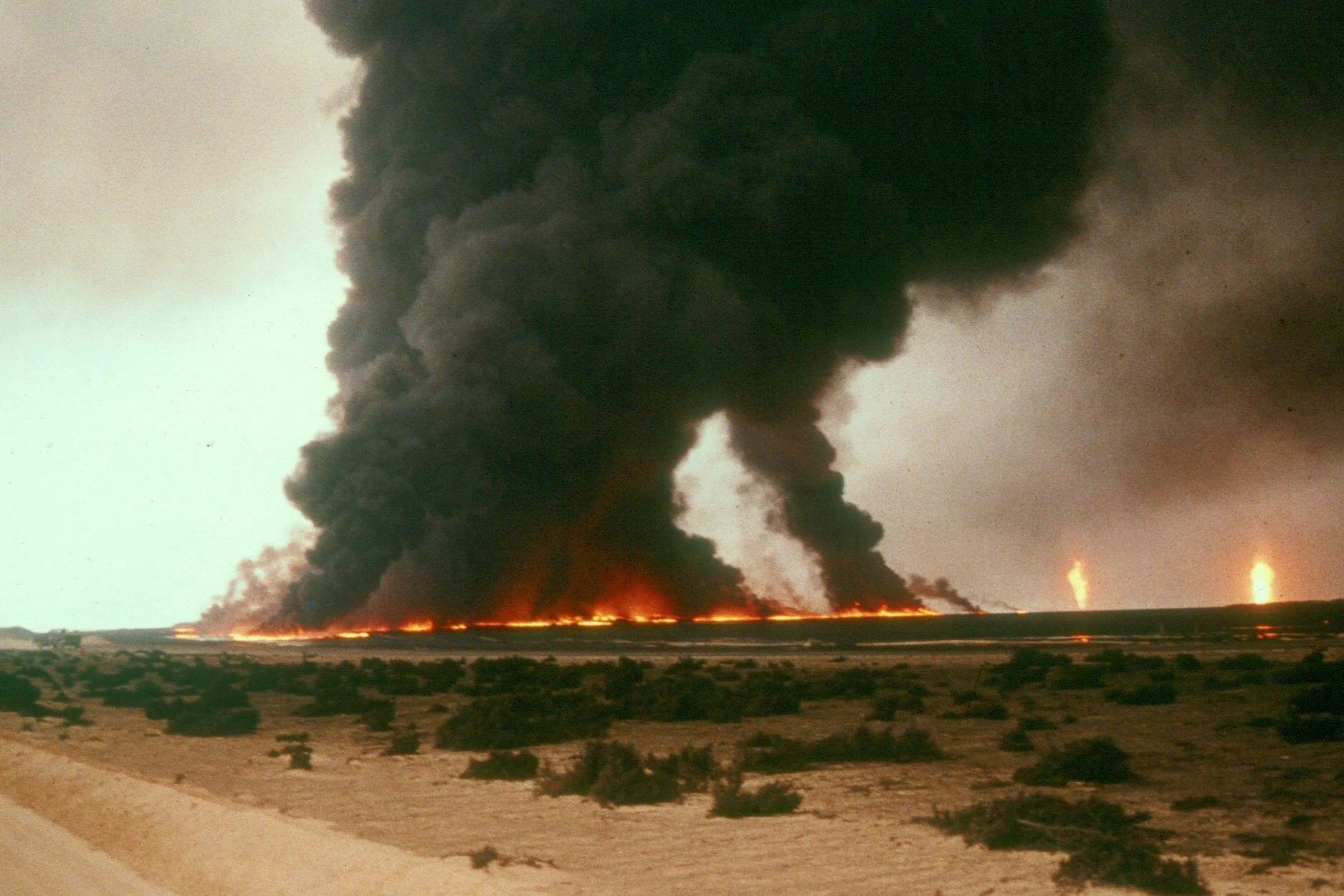
Burning oil wells, soot and oil from the 1990/91 Gulf War led to substantial environmental damage and compensation claims amounting to $5.3 billion. This reflected growing realisation that environmental harm should come at a cost, showing parallels with human healthcare and lawsuits (A. Price).
Photograph taken by A. Price
Drowning in its own black gunk might be an over-dramatisation. Early examinations alerted me and other scientists to an unequivocal ‘accident and emergency’ situation, with the heavily contaminated stretches of coastline needing resuscitation. In fact, the bottom line was obvious just from watching events play out, even if on the TV news, before careful scientific diagnosis.
Likening the volume of oil to a sudden aortic aneurism would be one analogy, though attacks on the Gulf’s oil facilities were an intentional act of sabotage. With an arterial bleed, human patients would hope for immediate healthcare – something also fundamental for an injured ocean patient.
I was in Kuwait under the aegis of the International Union for Conservation of Nature (IUCN). As a young marine locum, I had already spent much time performing health checks on the Gulf’s precious Pink Gold – its shrimp fisheries – and examining the effects of fishing, industrial operations and coastal pollution.
***
Not all environments are a place of crisis. A decade earlier, Sohar anchored in the translucent, turquoise shallows off Chetlat in the Lakshadweeps, a group of islands north of the Maldives. Disembarking from the ancient Arab sailing vessel, we must have looked a piratical bunch. We were soon to learn we were the first foreigners to step ashore in living memory. In place of the acrid smell of burning oil wells from the 1991 Gulf War hung the sweet, slightly resinous smell of coconut plantations, spices and other soft aromas so common in tropical islands.
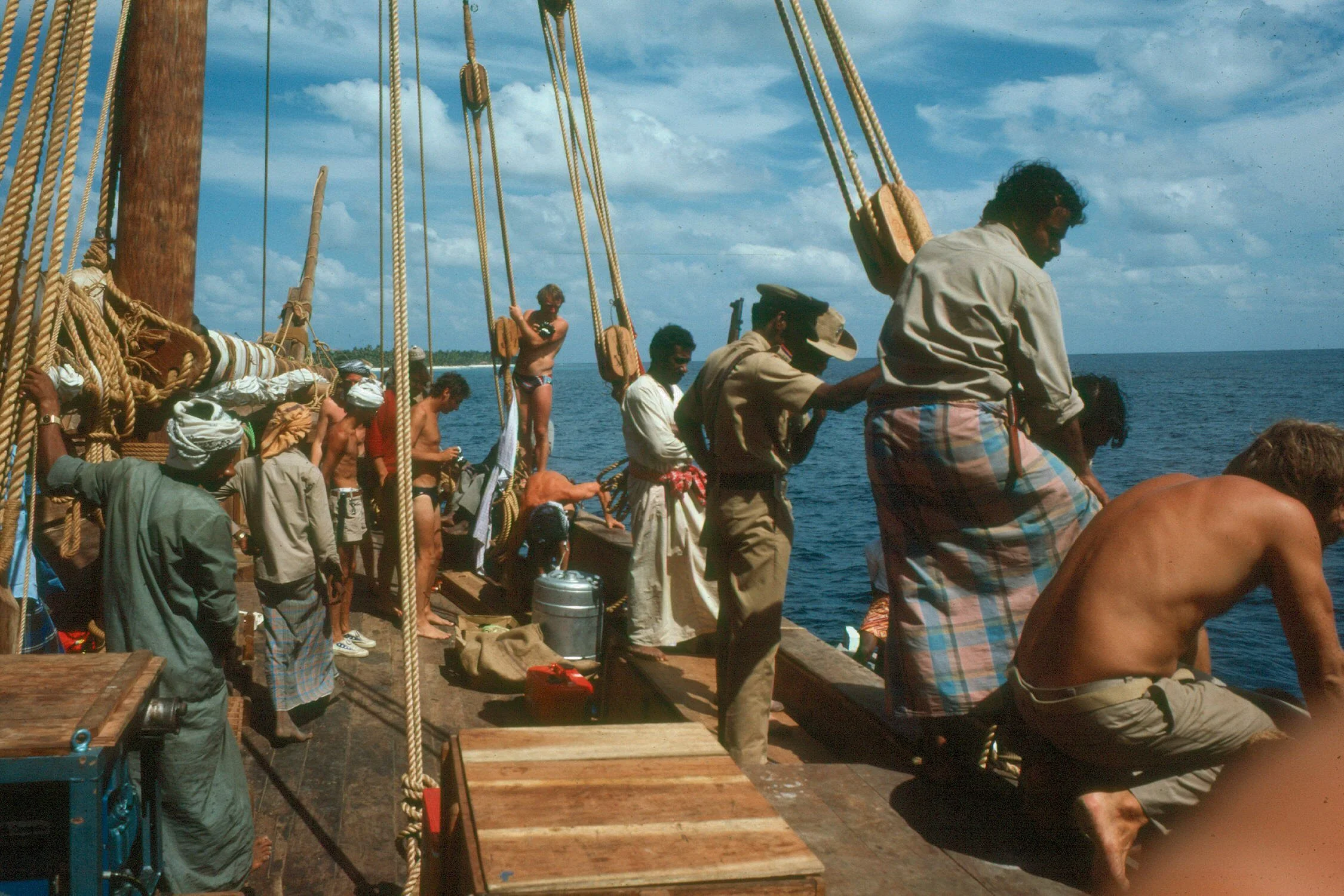
‘Sohar’, a replica of an ancient Arab sailing vessel anchored in Chetlat, Lakshadweep islands during the Sindbad Voyage (1980-81) from Oman to China, during which the author was resident marine biologist. We were the first visiting foreigners in living memory. Like Chagos, the Lakshadweeps provided a glimpse of how oceans once were, brimming with life and health.
Photograph taken by A. Price
Although not actually pirates, we were ‘Sindbad voyagers’, on an expedition across the Indian Ocean to China aboard a replica ninth century stitched sailing ship. For eight months, I was resident marine biologist. Diving on Chetlat’s near-pristine reefs provided a glimpse of how marine life must have been, before heavy fishing, urbanisation and industrialisation got a stranglehold. It felt we were in a time capsule; what was normal for our oceans before the era of systematic scientific records and satellite imagery.
Months later, in Singapore, crates packed with rich biological collections from Indian Ocean stopovers were dispatched to London’s Natural History Museum, where I later spent many months. Collaborative research led to several publications, one describing a starfish species from Sri Lanka new to science. Microscopic and molecular examination of biological specimens is how taxonomists enumerate different ‘ocean chess pieces’ – providing valuable clues about environmental health.
For a schoolboy passionate about foreign languages, the likelihood of ever becoming a marine biologist seemed unlikely. The U-turn, when it happened, was sudden and electrifying like a lightning strike – something that actually happened many years later becalmed for 55 days in the Indian Ocean.
After switching to zoology (as a pathway to marine biology), I developed a parallel fascination with medicine, following a class visit to the mortuary and witnessing post-mortems; curiosity intensified years later when learning to suture prior to long-distance sailing, in case of serious injury. Health issues fuelled further interest. Only decades after becoming a marine biologist, though, a new realisation dawned: that powerful crossovers may exist between medicine, marine science and conservation. Merging genres in this way provides an unusual take on oceans.
A stethoscope or cardiac monitor are hardly what you’d expect the legendary oceanographer and conservationist, Dr Sylvia Earle, to carry on location. Yet the health kits of medics and marine scientists are not poles apart. Just as CT and PET scans can rapidly diagnose human cancers, satellite scans display patterns of ocean fertility and temperature, or concrete patchworks where mangroves once stood. We now know Type 2 diabetes is a likely outcome of being overweight or a diet over-packed with refined carbohydrates. A nutrient overload in our coasts similarly creates unhealthy algal blooms, coral reef deterioration and a fevered marine environment.
Equally, X-ray scans have applications going beyond pinpointing bone fractures or diagnosing human cancers. One illustration, and a novel approach we developed as a diagnostic tool in the aftermath of the 1990/91 Gulf War, involved ‘exhumation’ of coral heads from war-impacted zones of Kuwait and Saudi Arabia. Lead scientist was Professor James Readman, then at International Atomic Energy Agency/Marine Environmental Laboratories in Monaco.
If not actually dead, the coral reefs certainly had been exposed to huge and prolonged shocks: from pollution and cold winter temperature spikes (from smoke blanketing the sunlight). Coral skeletons exhibit annual ‘growth rings’, as in the trunk of trees. These were revealed through X-ray examination, not at a marine lab but a hospital – using its high-resolution mammography scanner. This enabled sampling of contaminants in discrete time-horizons. `Fresh oil’ contamination was markedly higher in the outer, most ’recent’ bands – the time interval equating to the massive oil andsmoke pollution events of 1991.
Our examinations of coral skeletons were eerily resonant with the ill-fated John Franklin Expedition, which set out in 1845 to find the North-West Passage. The two ships, HMS Erebus and HMS Terror got stuck in Canadian Arctic ice and both crews perished. While Franklin’s body was never found, the bodies of three other members were discovered under permafrost in the 1980s and exhumed. Initial autopsies took place on site, while scientists undertook chemical isotope analysis of their skeletons in specialist laboratories. They revealed elevated lead concentrations, perhaps from tinned food or the ship’s lead water pipes. Some argued that this may have contributed to diminished mental faculties and general weakness. More recent research considered scurvy, cold and starvation to have been more responsible. Either way, contamination of bones of John Franklin’s deceased crew by lead was clear-cut, just as it was in the skeletons of reef coral exposed to oil from Gulf War ‘collateral damage’.
Even in a high-tech, AI world, direct observation with minimal equipment is still a helpful means of taking the oceans’ pulse, just as it is for human health. In the 1980s we developed a rapid diagnostic toolkit, initially for the Red Sea, to quantify and pinpoint areas of biological richness, as well as environmental pressures. Its real conservation value lies in highlighting management urgency, ‘automatically’ and intuitively. It takes diagnosis a step beyond ecological and pollution assessment. On a later project in Tunisia, we used the methodology as a simple traffic lights system – Red (alert), Amber (standby), Green (OK). Human healthcare adopts a similar Triage system, for triggering warning when it comes to medicine classification and patient risk.
***
We can frame many signs of oceanic distress through the lens of clinical examination. This helps us understand how symptoms can be read as vital signs of a vulnerable or ailing system. By and large, scientists’ ability to diagnose ocean disorders has overtaken society’s keenness to put on the brakes of unfettered industrial and economic growth – a major driver of ocean injuries. The tide could be turning, though.
The massive oil spill from the 1990/91 Gulf War conflict – the biggest ever – led to reparations on a gargantuan scale. Damage claims for environmental injuries alone led to compensation awards of $5.3 billion. This reflects a growing realisation that environmental harm should not happen scot-free. Society had also seized upon the similar principle of compensation for human health, when it comes to problems from treatment errors or adverse side-effects.
Alongside compensation, marine biologists and conservation scientists have a cabinet of other healthcare remedies, to help keep our oceans healthy and rejuvenate weakened seas. One approach involves artificial ecosystems. Examples include corals grown in cages, nursery-grown mangroves and even seagrasses (natural and plastic), then transplanting them where needed. But a coral in a cage is not the same as a reef in nature. In our seas, just as in human medicine, injury prevention is better than cure. Nevertheless, restoration does work. Replication and scaling up successes – perhaps to entire seas and oceans is difficult but doable. Letting nature return, unassisted – through protected areas – is a simple, yet highly effective approach; it also adds resilience against future shocks and surprises.
For ambitious cures, we must first decide what is normal for oceans. A key step is going back in time to when brimming oceans, not depleted seas, were the norm and a signature of robust health. In some ways deciding what is normal for our health is easier. Through tens of thousands of years of evolution, our core body temperature has become fine-tuned to a narrow range of between 36.1 and 37.2 degrees centigrade – for at least eighty to ninety percent of the population. For ocean health, though, there is no such blue-print: records don’t go back very far. Except in rare and relatively pristine locations, such as the Chagos archipelago and the Lakshadweeps, as well as some remote Pacific atolls, the present is a poor guide to the past. These and other super-protected areas are valuable proxies for the state of our seas before the advent of industrialised fishing and economic growth, whatever the cost. Otherwise we must rely on historical records of ocean health, even if imprecise.
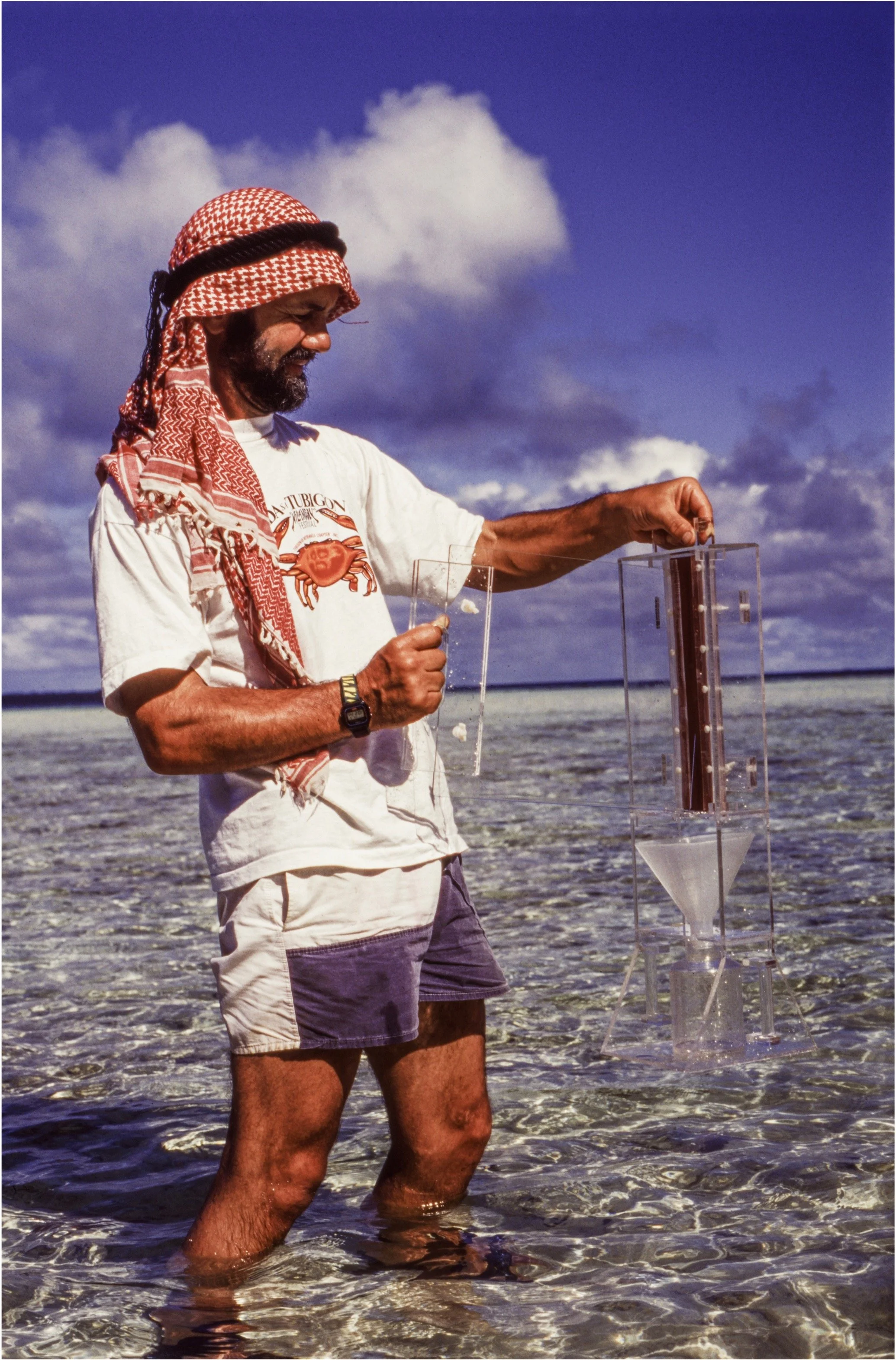
Photograph taken by C. Sheppard
Diagnosing the health of Chagos. In terms of contaminants, this archipelago is relatively pristine. Although the islands have suffered less local disturbance (dredging, construction, nutrients overload, other pollution) than other Indian Ocean islands, they have not escaped coral bleaching from rising sea temperatures, and other global environmental impacts.
It seems surprising that for so long modernity has treated one of the world’s biggest ‘lifelines’ – stretching across two-thirds of the planet – as little more than a supply chain, a dustbin and a cemetery. It is a mindset that would certainly astonish healthcare professionals. After all, our seas are alive, not an inert factory. They contain an estimated 0.7 to 2 million living species, including one hundred and fifty different mammals; sentient creatures like humans. Proper healthcare is also good insurance for us, and our oceans, given its indispensable role as a global life support system.