

frame 81 June 2026
The Black Lights
A Secret History of Blackpool
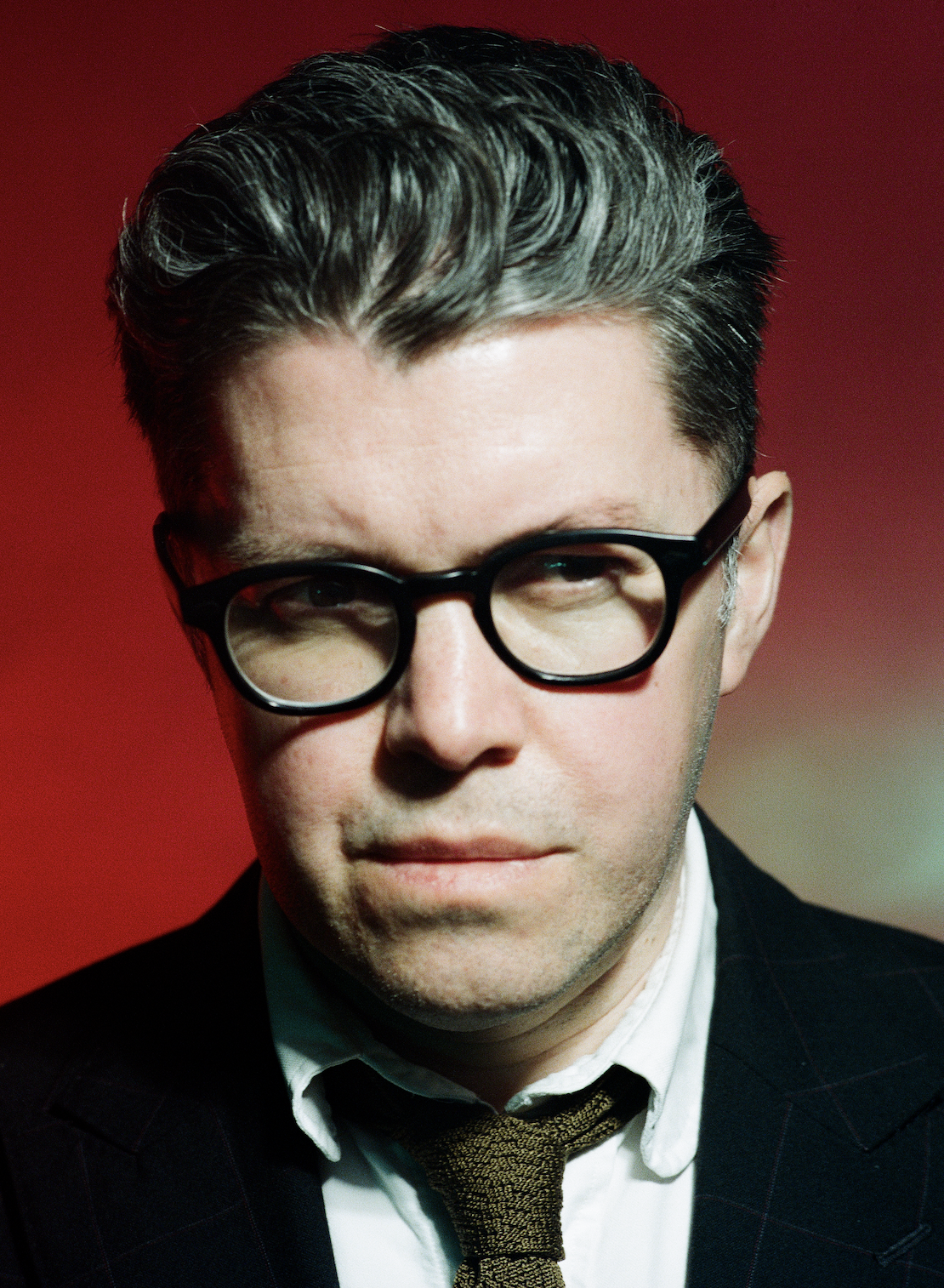
By Austin Collings

Austin Collings is a writer and filmmaker.
He is also creative director of The White Hotel, Salford
All photographs are credited to Timon Benson
The Black Lights
A Secret History of Blackpool

Blackpool is easiest to understand at night.
Not because the darkness conceals anything. It has never been interested in concealment. The town is fundamentally an act of exposure: electric, theatrical, over-painted, over-lit - a place that has spent nearly a century and a half announcing itself against the dark.
The famous Illuminations, first switched on before Edison had patented the lightbulb in September 1879, were less a civic decoration than a declaration of war against the night itself. The sea was black. The Lancashire sky was black. The future looked black. Blackpool invented artificial daylight and charged admission to the spectacle.
That gesture contains the whole town. The secret history of Blackpool is not a history of tourism, but a history of substitution. The sea replaced the factory. The dance hall replaced the church. The comedian replaced the politician. Light replaced belief.
Millions arrived worn by industrial fatigue from Bolton, Preston, Glasgow, Leeds, Sheffield. They came to Blackpool carrying soot in their lungs and left carrying souvenirs. The town functioned as a dream-machine for the working classes of Britain. A machine built from electric bulbs, slot machines, donkey rides, landladies, beer, ballroom organs and wishful thinking. The remarkable thing is not that the dream eventually failed, but how long it survived.
Even the architecture seems caught between performance and collapse. The Winter Gardens resembles a vanished empire still staging productions for an audience that never entirely left. The Tower stands as a peculiar monument to Victorian confidence, a replica of French modernity erected by people who had no intention of visiting France. The piers stretch into the Irish Sea like unanswered questions.
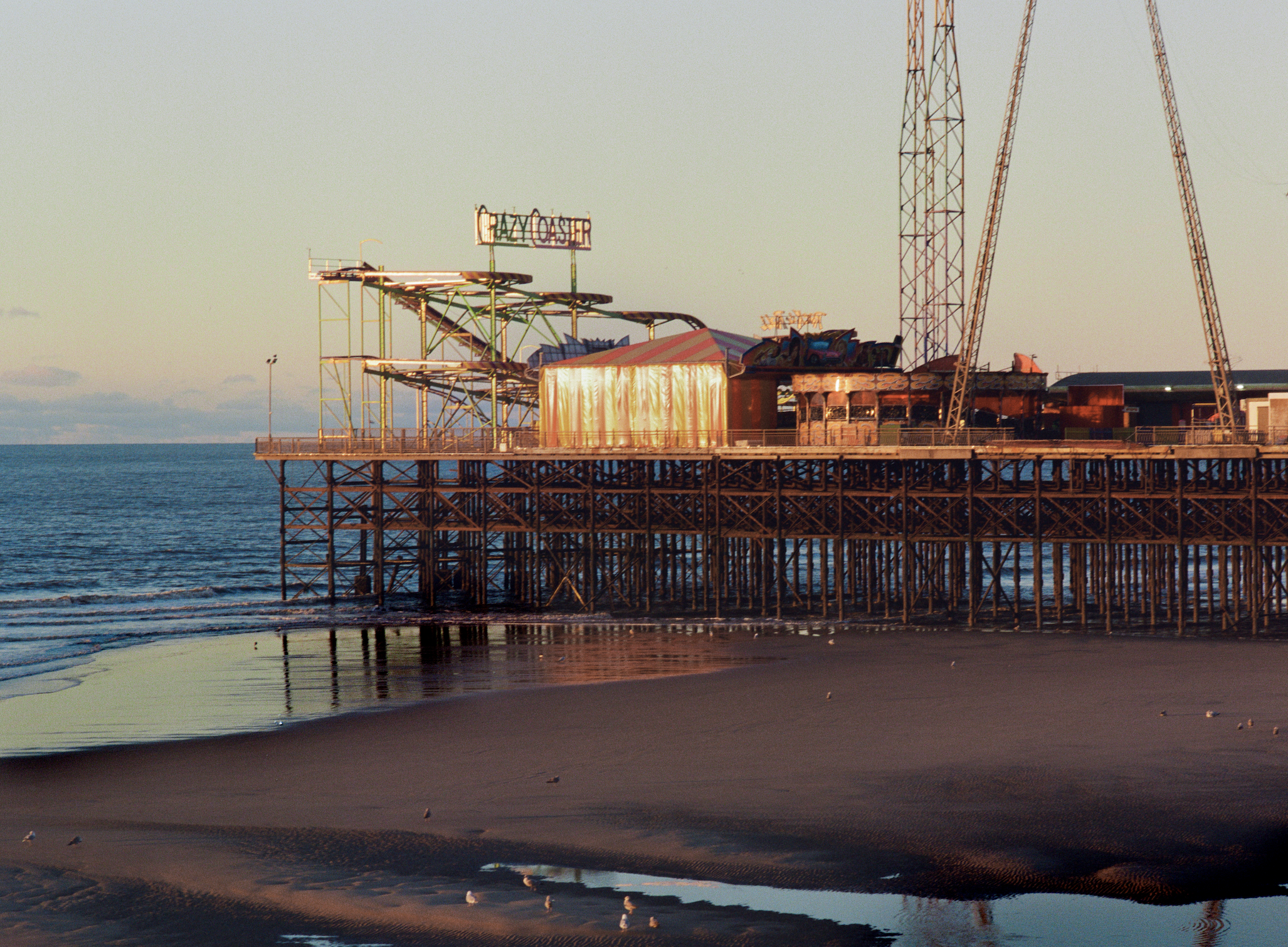
Walk north beyond the tourist brochures and the town begins to resemble a vast backstage area. Everything in Blackpool feels slightly after the event. The hotels are after the season. The theatres are after the stars. The pubs are after closing time. Even the sea seems to arrive exhausted. Yet there is an extraordinary dignity in this condition.
Unlike other resorts that attempted reinvention through tasteful redevelopment, Blackpool remains stubbornly loyal to showmanship. It understands something the cultural planners never do: people require spectacle.
The history of the town can be read through its entertainers - George Formby, whose grin concealed melancholy, Arthur Askey, broadcasting cheerfulness into wartime darkness, Ken Dodd, whose endurance felt almost supernatural. The comedians emerge as civic saints in a secular mythology. They performed happiness repeatedly until the performance itself became a form of truth.
Comedy in Blackpool was never simply comedy. It was industrial therapy. A joke delivered to two thousand holidaymakers carried the weight of a sermon.
The town specialised in temporary transformations. A bus conductor became a ballroom king. A machinist became a beauty queen. A widower became a dancer for three minutes beneath a glitterball.
Then Monday arrived. The train home left. Reality resumed. But Blackpool remained waiting for the next congregation. The secret history is therefore populated by ghosts. Not spectral Victorian ladies but commercial ghosts. Lost attractions. Demolished rides. Forgotten clubs. Extinct varieties of entertainment. The town is littered with cultural fossils.
Its mythology is also written in music. Long before festivals became a marketing strategy, Blackpool functioned as one of Britain's great musical crossroads. The Opera House and the Winter Gardens hosted everyone from Frank Sinatra to The Rolling Stones. The Beatles played here repeatedly. Northern Soul pilgrims travelled through the town. Ballroom orchestras filled vast halls with sound that seemed capable of holding back time itself.
For much of the twentieth century, Blackpool was where Britain came to hear itself. Popular music arrived before television could flatten it into familiarity. Bands tested audiences here. Careers were made beneath chandeliers and theatre lights. Even now, older residents can recall seeing future legends while they were still simply names on a poster outside the Winter Gardens.
The venues remain, resonant with accumulated echoes. Walk through the Opera House or the Empress Ballroom when they stand empty and it is possible to imagine those vanished crowds. The applause has long since faded, but the buildings still seem to vibrate with memory. Like everything else in Blackpool, the music survives less as history than as atmosphere.
Every older resident possesses memories of vanished Blackpool’s layered beneath the visible one. Ask them about theatres that no longer exist and their faces acquire the expression of religious believers discussing miracles.
Memory is the town's second industry. Light is the first.
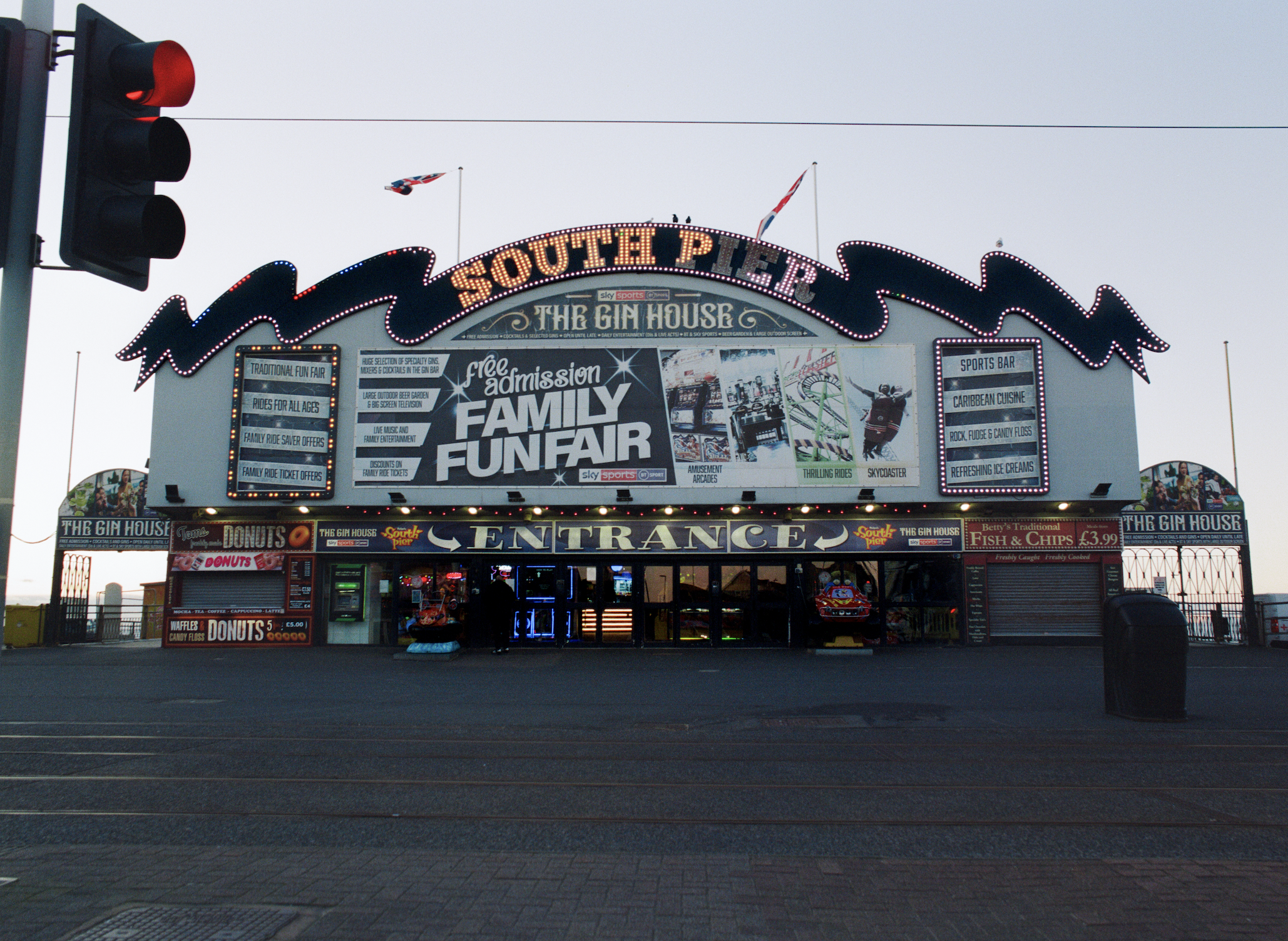
Here the Illuminations glow. The Lights were always more than decoration. They functioned as a seasonal ritual. Families drove through them as though participating in a pilgrimage. Children pressed against car windows. Traffic crawled. Chips cooled in paper wrappers. The sea disappeared entirely beneath electric colour.
For generations, this constituted one of the defining ceremonies of northern life. The Lights promised continuity. No matter what disappeared elsewhere, Blackpool would still glow. That promise became increasingly important as Britain itself entered a long twilight of deindustrialisation, austerity and cultural fragmentation. The old certainties vanished. The Lights remained.
Blackpool understands something fundamental about modern Britain: decline itself can become a kind of stage set. People continue arriving, continue looking, continue hoping for transformation.
The mechanisms have changed. The desire has not. Every autumn the lights come on again. The old tower glows. The sea waits. Children stare upward. And for a moment the entire town performs its greatest trick once more: convincing millions of people that illumination is possible.
Not permanent illumination. Not salvation. Just enough light to continue.
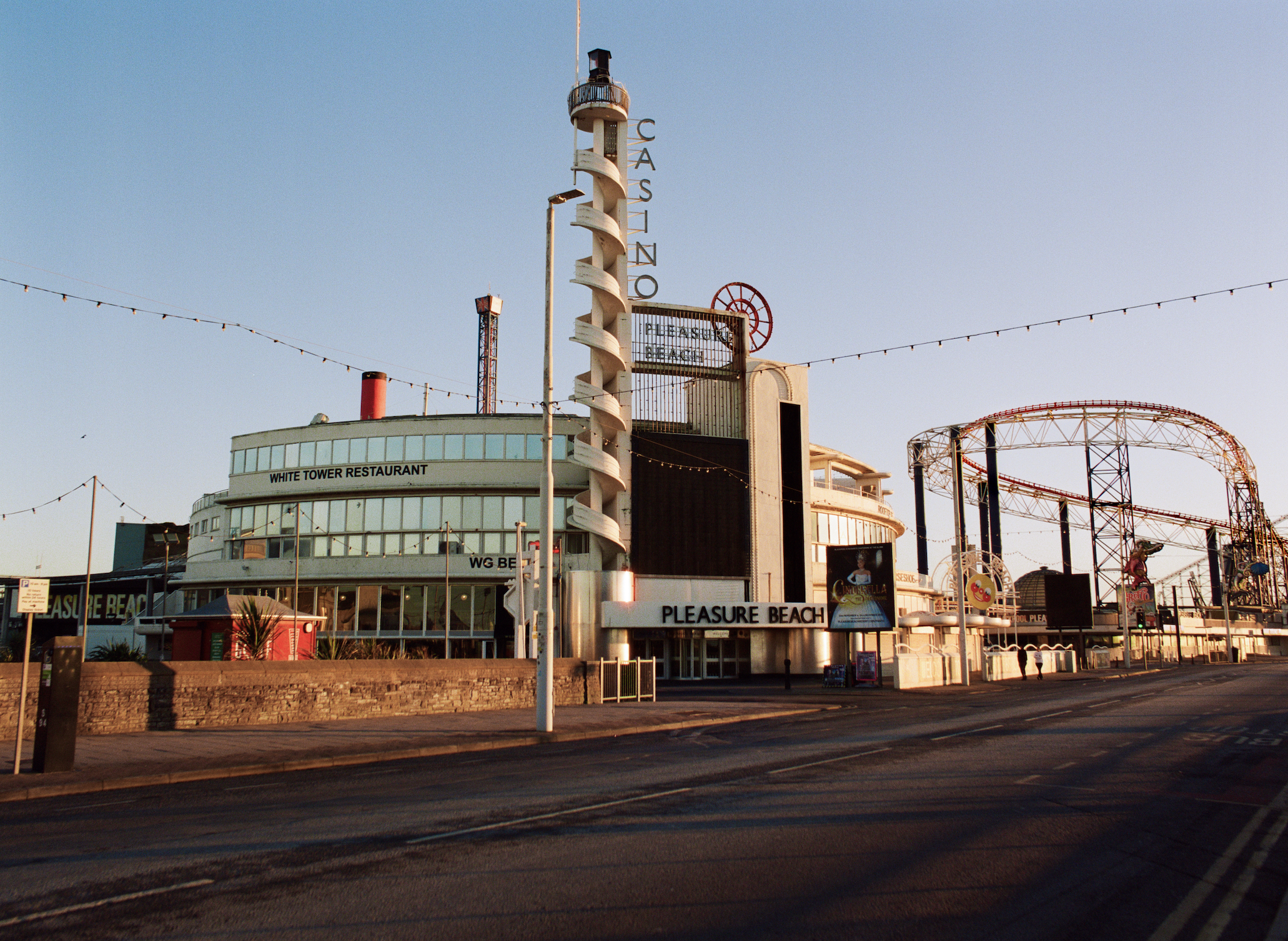
This year's custodians of the dream are The White Hotel. From 26 - 28 June 2026, their festival, The Black Lights, will spread through Blackpool's fading temples of entertainment, proving that the town still attracts those who understand the peculiar relationship between darkness and illumination.
Tickets: THE BLACK LIGHTS at Multiple Venues, North · Tickets